


Today, Queen Amina remains one of the greatest icons of womanhood. Her story has continued to inspire bravery in the hearts of millions of people, not just in Africa but worldwide.
Sometime in the 1500s, Queen Amina became the first female ruler of the Hausa-speaking people of Zazzau—a region in present-day Zaria, Northern Nigeria. This unexpected feat altered the course of Zazzau’s history and greatly influenced the cultural perception of women.
Born in a highly patriarchal era and society, the “warrior queen,” as she is commonly called, led her people through some of the most daring wars. Victories in these battles massively expanded the bounds of her kingdom. Under her leadership, the kingdom of Zaria experienced its greatest season of political, administrative, and military advancement.
It wasn’t easy for anyone to accomplish these feats. Amina had to overcome cultural odds to do so. At the time, it was almost taboo for a woman to lead men, at least in Africa. Only men were educated, and it was unheard of for a man to take directives from the opposite gender, except for slaves and servants. Women were highly restricted and relegated to the background.
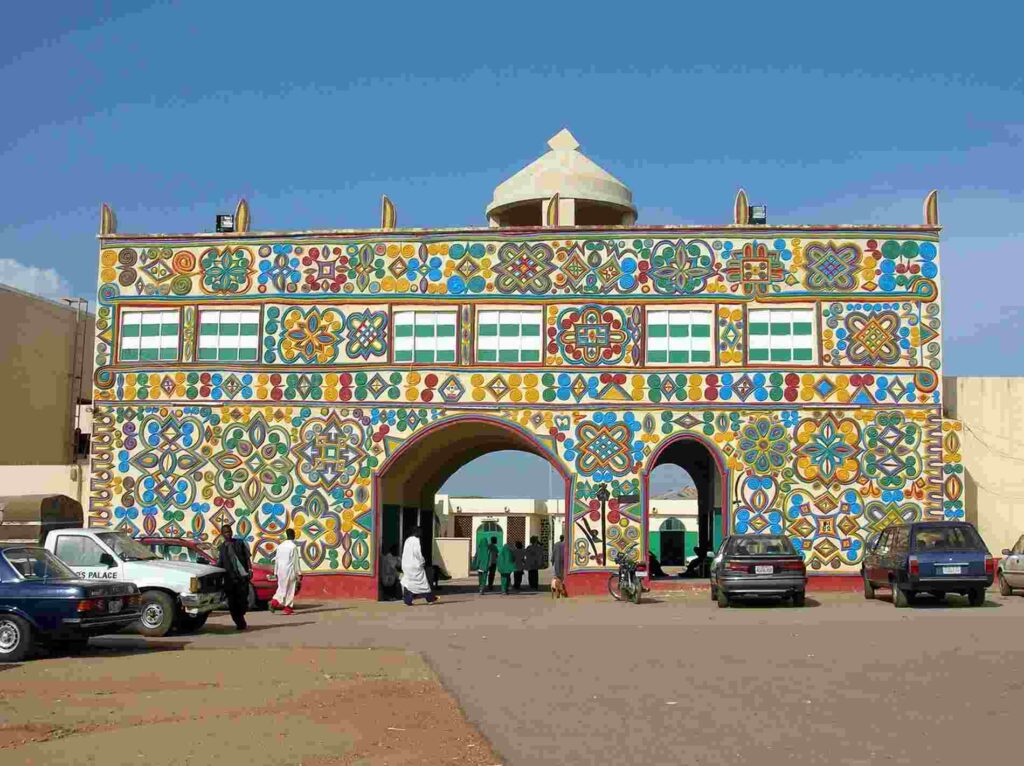
Thankfully, Queen Amina had a rare opportunity to make a difference. She made the most of it. By the time her reign ended, she had exceeded expectations and surpassed the achievements of all the rulers before her.
The Rise of an Amazon
Her story began in the mid-16th century in the savannah region of West Africa. We are still unsure about the exact time of Amina’s birth. However, many historians have pointed to 1533.
At the time, Africa was still deep in the era of monarchs, wars, and conquests. Amina was born into the royal family and was named Aminatu. Her grandfather, King Sarkin of Nohir, had done his bit and left the kingdom in the care of her father, King Nikatau of Zazzau.
Amina was the eldest of three children born by her mother, Queen Bakwa Turunku. She was followed by her brother, Karama, and her sister, Zaria. Amina was a born fighter. The signs began to show from her childhood. Once, her grandmother caught little Amina wielding a dagger. She also began to train with the royal guard as a teenager.
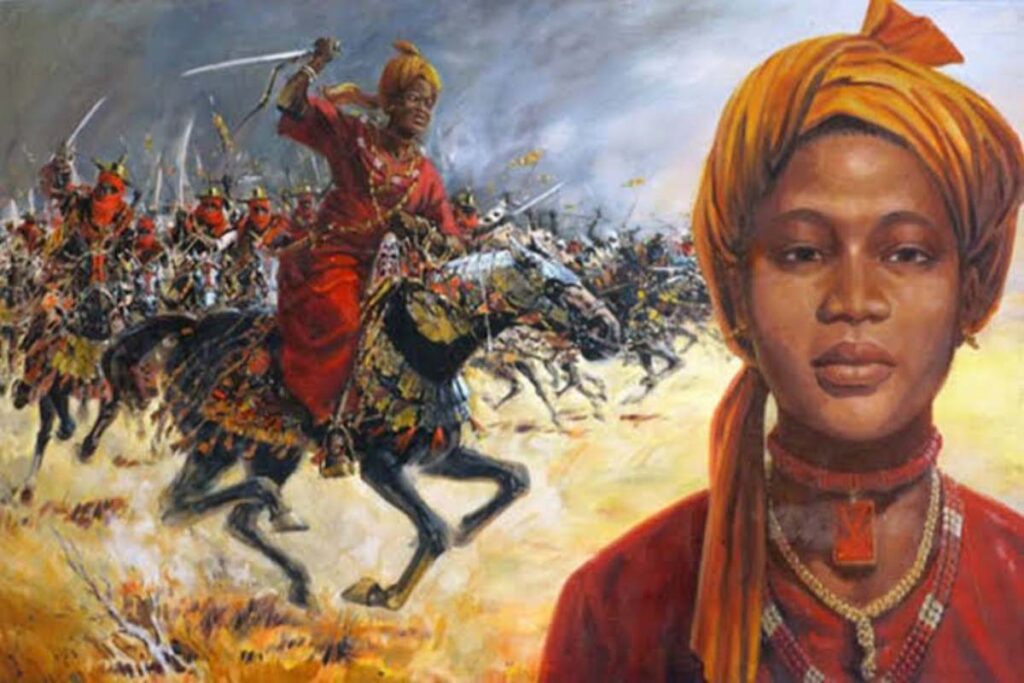
Young Amina also spent most of her childhood in political meetings. Sitting on her grandfather’s lap during numerous high-level meetings, she likely soaked up strategy and leadership wisdom.
Fate continued to prepare her for leadership. After her mother became queen, she became Magajiya, or “heir apparent.” This new status secured her a seat in the cabinet.
At that time, Amina became the prized jewel of multiple suitors. Admirers came from near and far to ask for her hand in marriage. Despite their enticing gifts and promises, she found none of them worthy, and she remained unmarried and childless until her death.
Amina Was Destined to Lead
In 1556, Amina lost her parents, clearing the way for her brother, Karama, to ascend the throne. Thereafter, the coast was clear for her to lead the army. Victory after victory, her fame began to spread. She even began to amass wealth from the massive spoils she gathered.
By the time her brother died in 1576, there was none as popular, influential, or worthy to fill the position than she was. The kingmakers had no choice but to crown her Sarauniya or queen. She was now Queen Amina, the ruler of Zazzau. This had never happened. No woman had ever ruled the land. The new queen knew what it meant.
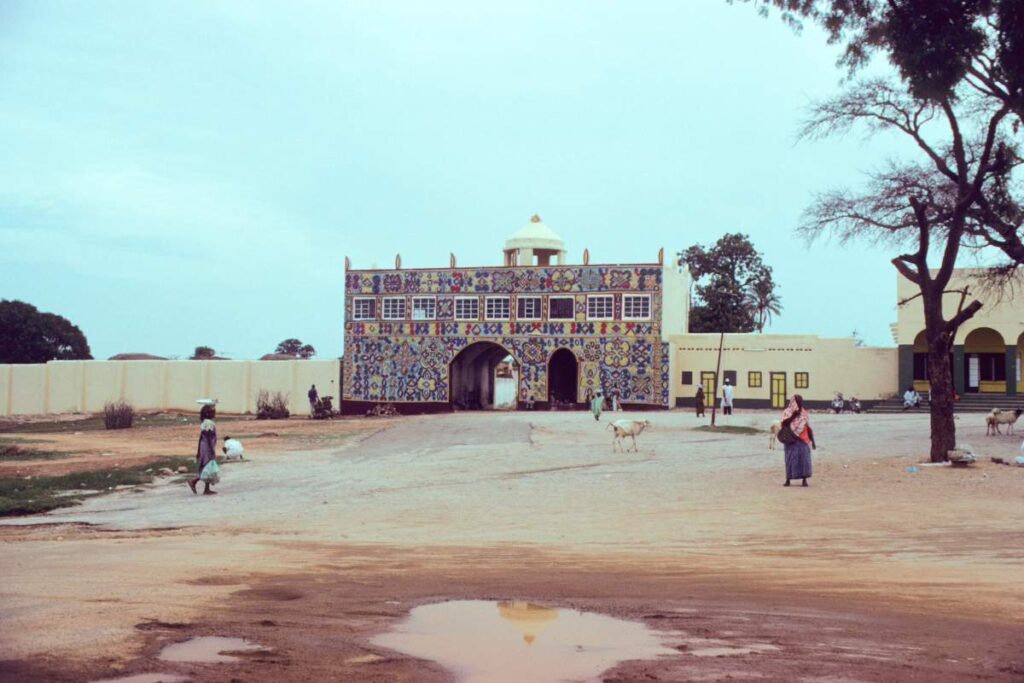
Queen Amina was surrounded by millions of skeptics. She understood that not many people expected a woman to succeed in leadership. She had a lot to prove. Her performance would either promote the cause of women’s liberation or worsen their already gloomy plight. A lot depended on her.
Immediately, she began designing policies to widen the kingdom’s borders and strengthen the military. During her tenure, the Zazzau army began to enjoy the highest levels of protection in warfare. Amina introduced more advanced protective armor to military gear.
The Fearless Warrior
Leading her 20,000-strong army, Queen Amina slugged it out with formidable kingdoms. Some of them included Nupe land to the south. She conquered the Nupe people and compelled them to pay tribute to Zazzau. These tributes included mainly kolanuts and eunuchs.
She also led the Zazzau army in the conquest of the Jukun kingdom. The newly enlarged kingdom allowed her to control major trading routes that linked to Sudan, Mali, and Egypt. As a result, the kingdom flourished and became even wealthier.
Her other innovations included building high walls around conquered territories and installing military camps. The remains of these walls remain visible in Northern Nigeria to date. They are known as “ganuwar of Amina” in Hausa, or Amina’s walls.
After a blissful 34-year rule, Amina of Zaria died in 1610. She was killed in battle at the age of 77. To date, Queen Amina of Zaria has remained an icon and a celebrated figure in Nigeria and the continent of Africa.
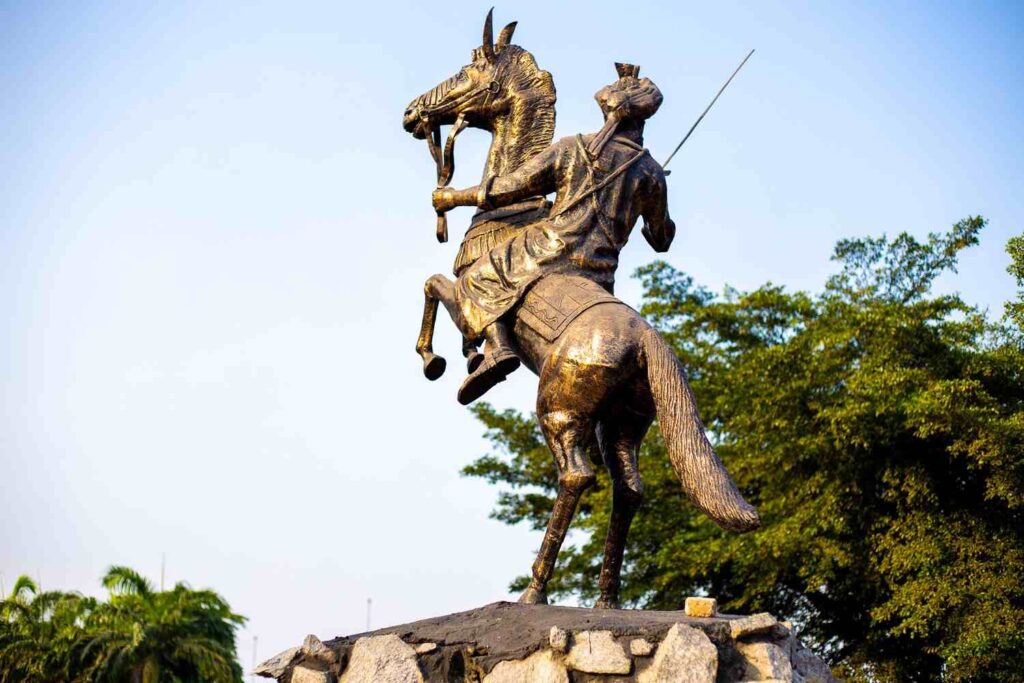
She has statues built in her honor at Nigeria’s National Theatre in Lagos and multiple prestigious buildings and monuments named after her. For centuries to come, the warrior queen will remain a source of strength and hope to the women of Nigeria, Africa, and the globe.
