


Tough times never go away—and so does the art of survival. This art is best learned, not from the billionaires of Wall Street, but from the people in the slums. Repeatedly, humans have demonstrated a superpower. It’s called economic collapse survival.
“History shows that when economies collapse, ordinary people become extraordinary.”
In 2008, a man in Zimbabwe carried a wheelbarrow of cash just to buy a single loaf of bread. In 1943, British women baked “mock apple pie” without a single apple. And in 1930s America, children dropped out of school to support their families.
This is what real survival looks like—not taught in boardrooms, but passed down in backyards and barter stalls. History shows that when economies collapse, ordinary people become extraordinary.
Across centuries, humans have triumphed over extremely harsh conditions, from lining up for loaves of bread in America’s 1930s to trading soap for maize in modern Zimbabwe. The channel of history is full of gripping episodes of human stamina and determination.
“People were no longer able to afford their basic needs, and dining tables told a tale of gloom and despair.”
After years of taking a breather, the hard times are here again. Global inflation has soared to unbelievable heights, the gig economy is dying, and millions are losing their jobs. But just like we’ve seen in decades past, humanity has what it takes to weather the storms.
Let’s take a look at history’s album of economic disappointments. From the Great Depression to the worst kinds of inflation, you are about to witness the best of human survival instinct and how it can help us today.
The Great Depression: When Bread Was the New Gold
In the 1900s, following the sudden crash in the stock market, America was led into a season of economic hardship. This era is known as The Great Depression. It is arguably the most challenging financial situation the nation has ever experienced. But millions managed to scale through.
It began on October 29, 1929. On that day, years of stock investments by millions of Americans nose-dived. Many had borrowed money to invest in businesses that showed signs of promise. However, their investments suddenly became worthless.
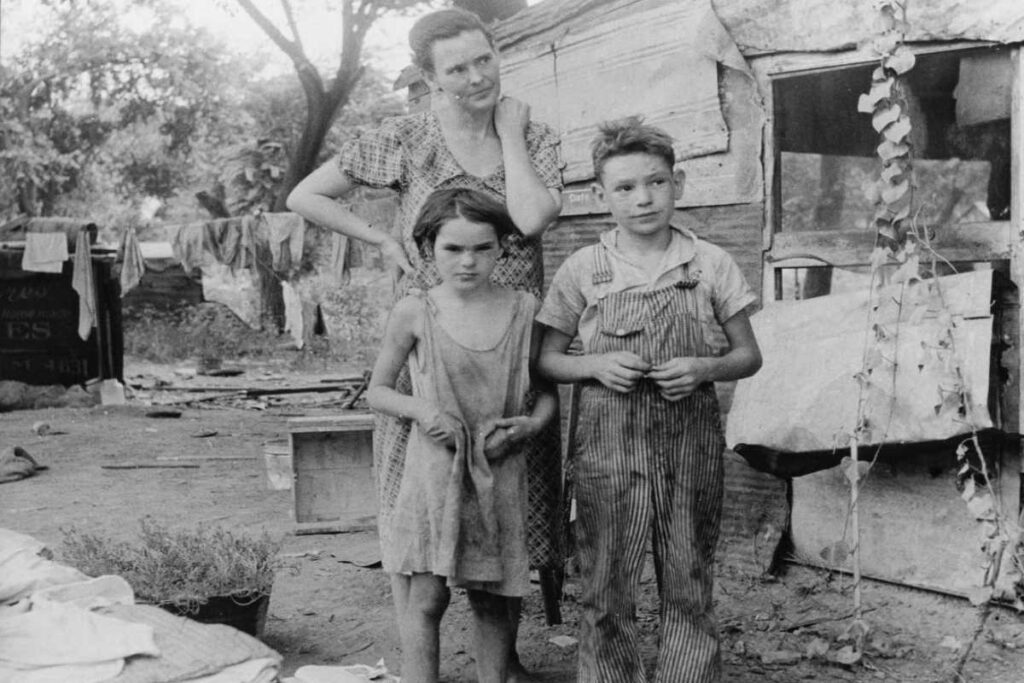
The stock market crash triggered a chain reaction of bank failures, unemployment, hunger, and death. Over 9,000 banks went under. Many businesses laid off staff and reduced wages for the remaining workers.
“Countries involved in the war had to allocate their resources between the soldiers on the battlefield and the civilians at home.”
People were no longer able to afford their basic needs, and dining tables told a tale of gloom and despair. Many people starved and saw their health decline. Mental health was affected, and suicides increased. But humans weren’t about to go down without a fight.
Slowly, the people began to fight back. Families turned every available space around their homes into “Victory Gardens.” People began to grow food in their backyards.
Instead of searching for scarce products with money, people began to exchange goods through bartering. For example, workers would do domestic repairs in exchange for dinner or a crate of eggs.
People recycled their clothes, and more women began patching clothes. Children left school to earn a living for their families. America became one big family united for survival. These skills would later prove helpful when the Second World War broke out.
World War 2 Rationing: The Skill of Improvization
Rationing systems were a big deal during the Second World War. Both sides were overwhelmed by a scarcity of supplies and how to adjust and improvise. Countries involved in the war had to allocate their resources between the soldiers on the battlefield and the civilians at home.
In the UK, authorities discovered a super-useful idea. They drew up ration books that helped them share resources equitably among the people. These books regulated the distribution of fuel, clothing, and food.
“At one point, people needed wheelbarrows to transport the volume of cash that could buy a single loaf of bread.”
In addition, women began to search for alternatives to scarce ingredients and food. These included butter, sugar, and meat. Women used more powdered eggs and dried milk. It was during the war that cooks discovered new recipes such as “mock apple pie,” which was, of course, prepared without using apples.
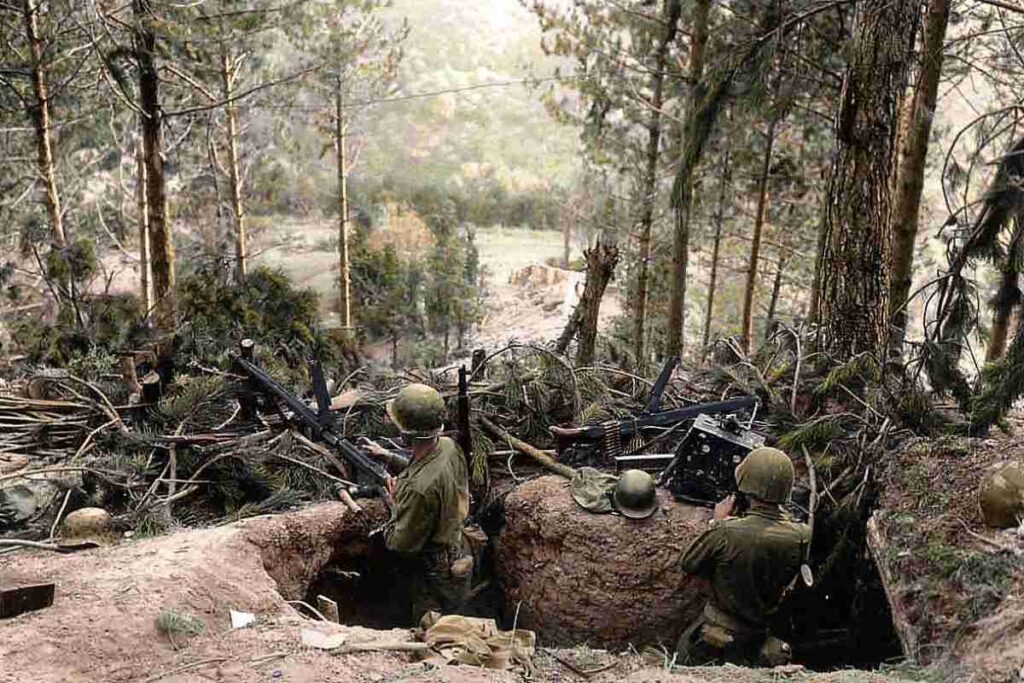
People also began to make soap at home. But not from the regular ingredients. Domestic soaps were made from lye and animal fat.
During the war, driving was a luxury and was even frowned upon in the United States. People rationed rubber and gasoline. Supplies were used until they could no longer be used.
Almost everything was recycled, especially paper and metal. Waste was minimal. These practices lasted throughout the war, from 1939 to 1945. They weren’t only useful in America and Europe. The stage shifted to Africa a few decades later.
Zimbabwe’s Hyperinflation: When Money Was Almost Useless
From 2007, the world’s history-level of inflation hit the Southern African nation of Zimbabwe, reaching the highest level in the world’s history. Again, the survival instincts of humans were fully awoken.
The Zimbabwean hyperinflation was a result of several factors. One was the land redistribution, which forcibly transferred land ownership from White farmers to indigenous people. This transfer impacted food production, leading to higher prices for food and other goods.

To worsen matters, the government opted to print more money to fund its programs. The value of the currency dropped as a result. At one point, people needed wheelbarrows to transport the volume of cash that could buy a single loaf of bread.
“The real heroes were those who stayed back and fought their way through the chaos.”
The people of Zimbabwe could no longer transact comfortably in cash. They soon abandoned cash for barter. People traded soap for maize. The payment for bus fares was in the form of sugar, and just like during the Great Depression, services were rendered in exchange for food.
Families had to abandon their jobs and focus on agriculture. Almost every idle piece of land was converted into a farm. People planted many vegetables in their gardens, on which they mainly depended for their daily food.
History’s Survival Lessons
From every story we’ve looked at, one thing is sure: the world is unpredictable. Distressing times and economic crashes can happen at any time and without warning. The effects could be pretty severe and, for many people, unbearable.
From the Great Depression to hyperinflation, whole nations were suffocated by hardship. People were traumatized, malnourished, sick, and many took their lives.
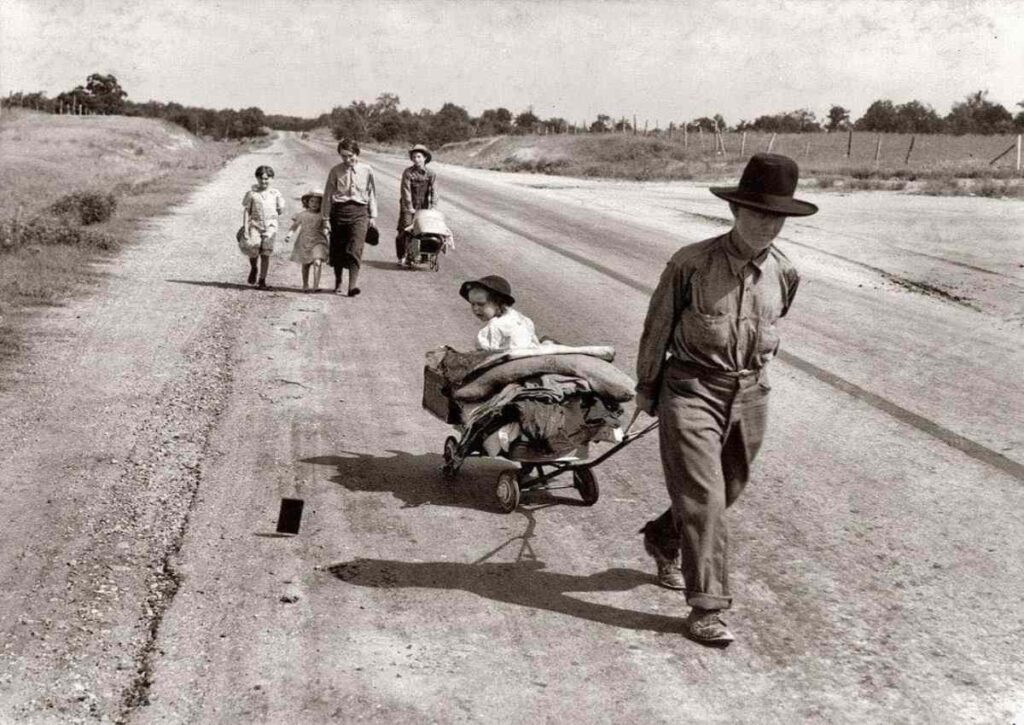
In Zimbabwe, hundreds of thousands who had the means to do so fled the country. The exodus robbed the nation of crucial and some of the best quality human resources.
But the real heroes were those who stayed back and fought their way through the chaos. Their determination and eventual survival made a big statement for humanity.
These troubling circumstances also taught us a vital lesson. We need one another way more than we think. People went through these economic collapses with the weapon of unity and collaboration. The same mindset is applicable today.
How to Thrive in Today’s World
Ever since the COVID-19 pandemic of 2020, the world hasn’t remained the same. Inflation hit the global economy, and the cost of living has soared.
Recession has invaded once-bubbling economies, such as Argentina, Japan, Sweden, and Nigeria, and threatened many others. The atmosphere is filled with uncertainty.
Artificial Intelligence has rendered many corporate roles obsolete, resulting in numerous layoffs and business closures. Wages have dropped again, and freelancers are experiencing some of the most challenging moments ever, even as more people join the gig economy.
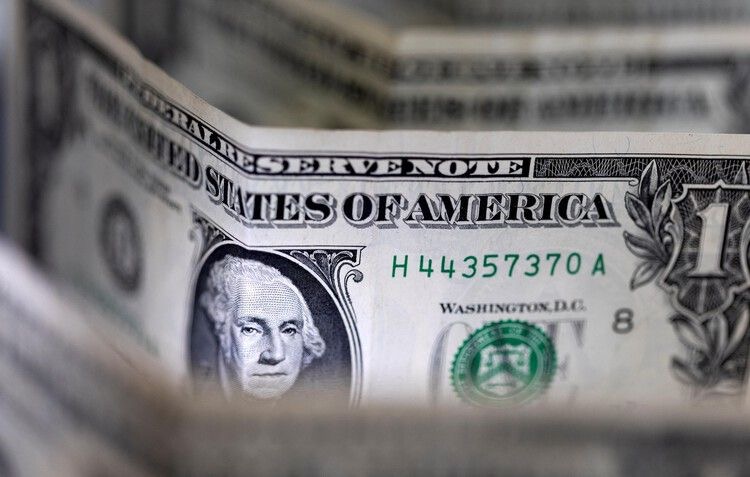
Again, there is a call for humanity to pull out the survival gear. Many have responded to this call and begun adapting to the necessities of the current era. The signs are everywhere.
- Barter Has Returned, But Digitally
Trade by barter, the ancient commerce system, has made a return. This time, it has come to stay. But on the internet. There are now online platforms, some even on social media sites, where people exchange items and services, much like during the Great Depression.
- More People Are Picking Up Online Skills
There has been a rise in freelancing activities since the pandemic. More people are engaging in digital skills, such as writing and coding. There has been an increase in activities on freelancing websites such as Upwork, Fiverr, and Etsy.
- Housing is Taking on a New Dimension
Rather than pay for regular homes, people are finding alternatives to the soaring housing costs. Many people now live in vans and mobile homes. There has been an increase in migration from areas with high housing costs, such as California.
- A Spike in Crowdfunding
After the pandemic, the crowdfunding culture began to take root. People now, more than ever, collaborate financially to support others in need. Sites such as GoFundMe and Kickstarter have provided the platforms for these expressions.
The Way Forward
The current state of the global economy may not be as apparent as it was during the previous crisis. However, the symptoms and impacts are the same.
Although more subtle, there are concerns about food insecurity, rising unemployment, and increasing living costs. But through it all, there is a major constant—the resilience of the people. The quality of human resistance hasn’t diminished even one bit.
Sure, things are likely to get worse, but history has shown that we have what it takes to make the best of the most hopeless situations. We are yet to be proven wrong. Do you think our survival skills will fail in the future?
