


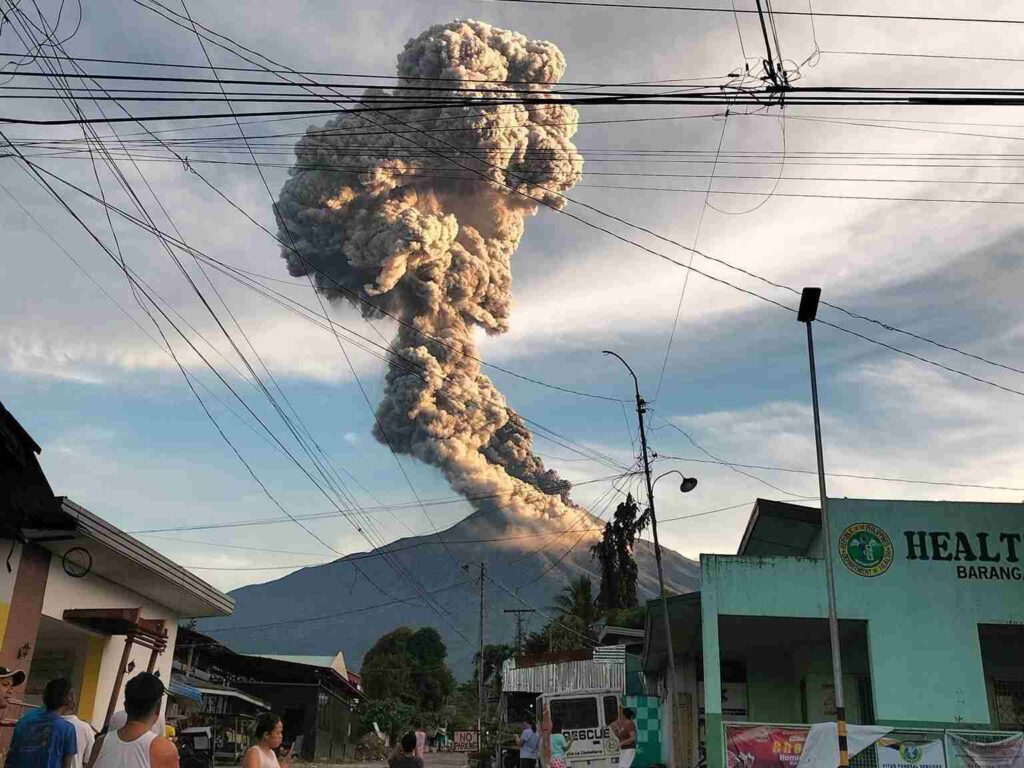
In the early morning of April 8, 2025, a volcano erupted from the Kanlaon Mountains in central Philippines. The incident, which lasted more than 50 minutes, began with an explosion that jolted residents out of their sleep.
Soon after, thousands of people stood outside staring at the result – a massive plume of gray ash that rose to 4,000 metres into the sky.
The eruption rendered thousands of people homeless and halted daily activities for most of the affected Negros Island region. Schooling was also suspended in the surrounding areas as authorities moved around to survey the damage.
The rising ash soon began to fall, raining down on four neighbouring villages. Soon after, green farmlands were covered with gray ashes.
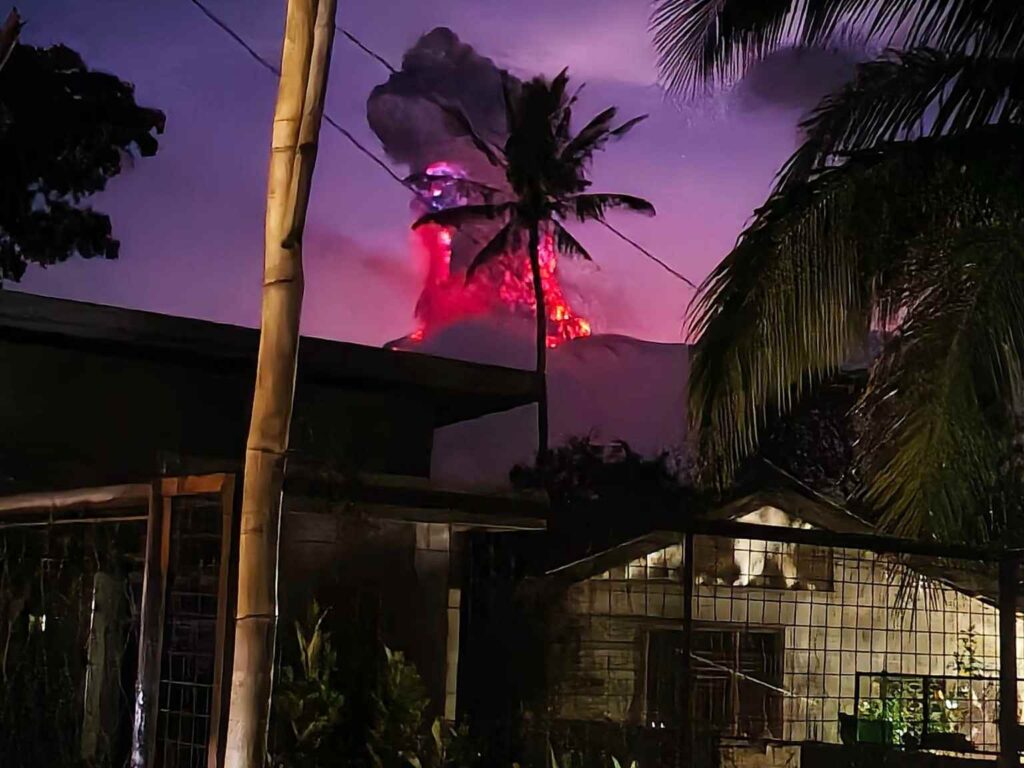
Vegetation close to the volcano crater caught fire from the explosion. The fire spread fast, assisted by the dry weather. It wasn’t until the next day that the flames were completely put out by rainfall.
The nation of the Philippines isn’t new to the angry roar of mountains. The country sits in the Pacific “Ring of Fire,” which is notorious for earthquakes and volcanoes. The country also experiences about 20 typhoons every year, making it one of the most notorious natural disaster hotspots in the world.
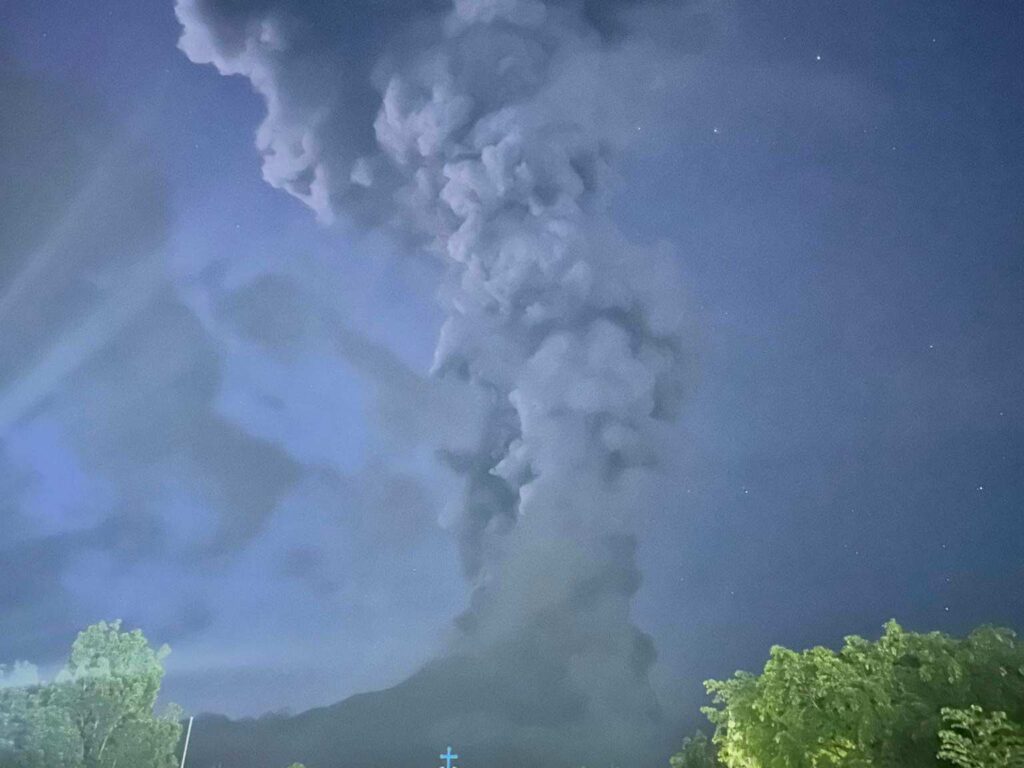
Although the April 8 eruption didn’t cause any deaths or major injuries, the situation was quite different in previous instances. In 1996, three hikers lost their lives while multiple others were wounded when the Kanlaon mountain vomited lava without any warning signs.
This volcano has caused us to revisit another volcano from many decades ago. On this interesting ride, we’ll compare the two eruptions to see how similar they are. Before that, let’s finish with the Kanlaon volcano.
Key Details of the Kanlaon 2025 Volcanic Eruption
The Kanlaon is a 7,988-foot (2,435-meter) volcano and one of the Philippines’ 24 most active volcanoes. Authorities were expecting an eruption after a series of previous ones in the months before the April 8 incident.
The mountains also generated 16 volcanic earthquakes in the 48-hour period before the April 8 eruption. According to the Philippine Institute of Volcanology and Seismology, the eruption happened at about 5:51 a.m. local time and ended at 6:47 p.m.
The institute stated that they weren’t taken by surprise. The volcano had erupted previously in December of the previous year, forcing mass evacuations. Authorities had to relocate households within the 4 to 6 kilometre range around the troubled mountain.
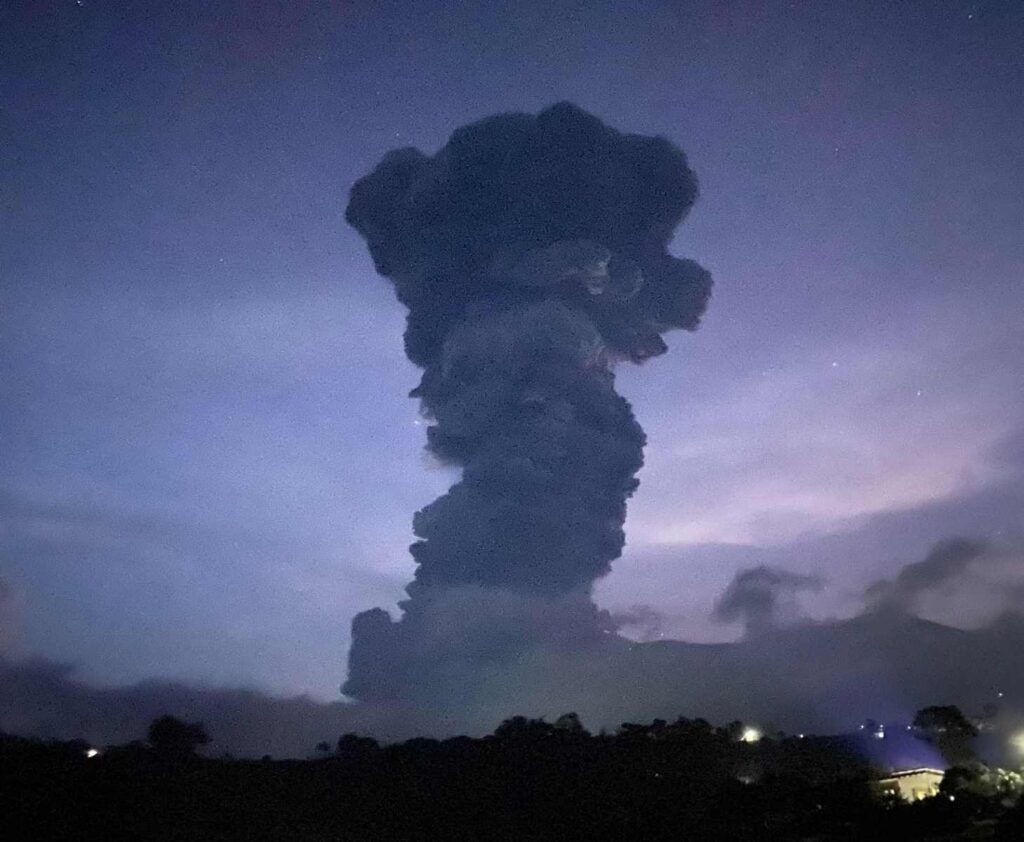
Government officials had also placed a level three alert on a scale of five on the mountain after the December incident. This indicated a high level of volcanic restlessness.
The Kanlaon Mountain has been a source of frequent worry for the neighbours. In September 2024, the mountain emitted a dangerous amount of harmful gases into the atmosphere in just one day. Local authorities had to effect an evacuation of the surrounding residents.
The Kratakoa Volcanic Eruption of 1883
The 2025 Kanlaon volcano has evoked memories of the Krakatoa volcano from more than 100 years back. In August 1883, a devastating volcano erupted in Krakatoa, Indonesia. This volcano turned out to be one of the most destructive ones in history.
The eruption came with a loud bang and a massive explosion that shook the foundations of the earth for many miles. The volcano took the whole world by surprise, even though the mountain gave warning signs months before.
It was a group of German soldiers who first noticed that the Kratakoa mountain was fuming. The soldiers, passing by the mountains with their warship, saw a cloud of ash and dust rise from the mountain up to seven miles into the sky.
Other sea travellers, as well as natives, noticed other explosions for the next few months. But due to their lack of education, they celebrated the incidents rather than run to safety.
Three months later, they experienced a rude shock as the mountain exploded. The explosions took place on the 26th and 27th of August. The outcome was devastating. More than half of the island was blown up. Lava gushed down from the mountain’s peak, and large particles of rock jumped into the nearby sea, resulting in an unexpected tsunami.
In the end, about 36,000 people perished from the eruption. About 31,000 of the deaths were caused by the resulting tsunami as the displaced waters rushed into and overwhelmed the island. Massive waves as high as 120 feet gushed into thousands of homes and swept residents back into the sea.
The Krakatoa volcano is the second most destructive volcano in recorded history. It comes only behind the 1815 eruption of Mount Tambora, which took about 60,000 lives. It remains active till today and is one of the record-holding 13o active volcanoes in Indonesia.
Also called Krakatau, the Krakatoa mountains lie in the Sunda Strait between Sumatra and the Java Islands. The Krakatoa mountain also shares the same home as the Kanlaon mountain.
Both sit on the notorious Pacific Ring of Fire, even though they are about 1500 miles or 2,400 kilometres apart. However, aside from their location, there are other similarities to explore about the two volcanoes.
Kanlaon Volcano vs Krokatoa Volcano
Although both share a number of similarities, the Kanlaon and Krakatoa volcanoes were miles apart in many respects. Here are their key differences
Sound
Volcanic eruptions are usually accompanied by large sounds. For the Kanlaon incident, the sound was only loud enough to be heard by the locals. But the case was different for the Krakatoa volcano.
The Krakatoa eruption produced the loudest sound ever made by a volcano. It also made the loudest sound ever recorded, reaching more than 3000 miles away.
Global Climatic Effect
The Kanlaon eruptions had little or no effect on global climate. It also didn’t trigger any tsunamis. In contrast, the Krakatoa volcano caused a tsunami with waves that were more than 40 metres high.
The Krakatoa eruption also caused a drop in global temperature, bringing it to about 1.2 degrees Celsius. The drop in temperature was due to the fine dust that the volcano raised into the atmosphere. This dust created a sort of barrier between the Earth and the sun. It also caused vivid sunsets in many parts of the world.
Ash Clouds
In terms of ash clouds, the Krakatoa eruptions were also far ahead. As seen earlier, while the Kanlaon volcano led to ash clouds that rose to about 4,000 metres into the sky, the Krakatoa volcano produced ash clouds that reached a terrifying 80,000 metres in the sky.
Deaths Caused
The Kanlaon volcanic eruption didn’t lead to any deaths. However, the Krakatoa eruption caused over 36,000 people to lose their lives. The major reason for this degree of fatality was the lack of preparedness and planning around it.
At the time, the world didn’t have any significant telecommunication system. So, only a few people saw the signs of an eruption. But even those who did had no idea that they were seeing the warning signals of one of the most disastrous natural disasters to ever rock the planet.
